You are not alone if you have ever experienced annoyance and distress due to unwanted blemishes or breakouts on your skin! People from throughout the world deal with this skin condition, which is known as acne. This thorough guide explores the physiology of acne in great detail. You will get knowledge by reading this on the causes and symptoms of acne to help you manage and get rid of those annoying pimples. Follow this blog to find out more!
What Is Acne?
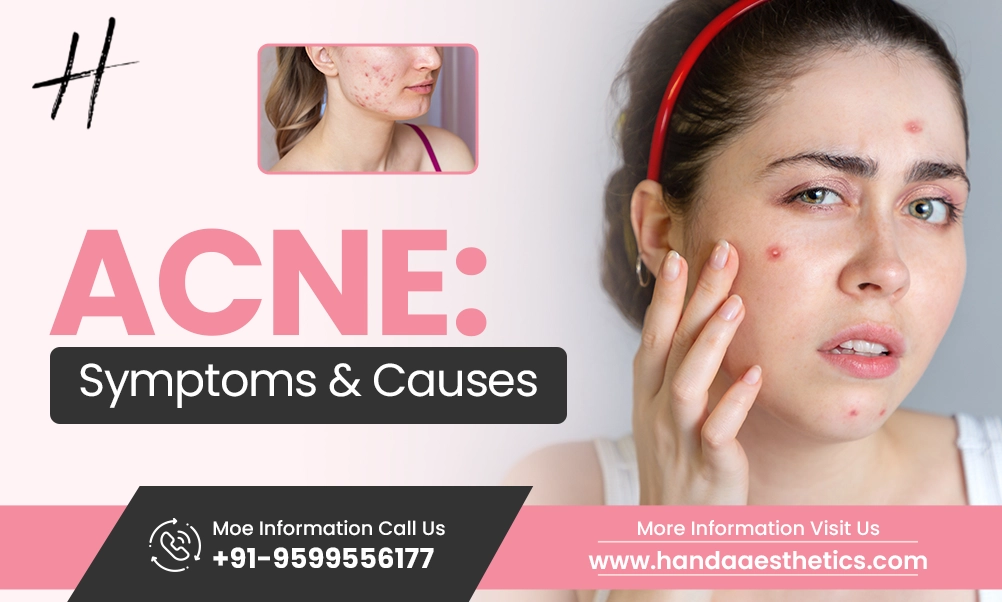
The widespread skin ailment known as acne is marked by the development of whiteheads, blackheads, and pimples. It is an inflammatory response that arises from blocked skin pores.
Although it might be excruciating, acne usually doesn't represent a major health risk.
Types Of Acne
Several varieties of acne can show up on your skin. Typical forms of acne include:
-
Comedones (Blocked hair follicles or pores)
-
- Open comedones (blackheads): Pore-like structures with open tops that allow for the oxidation of trapped material.
- Closed Comedones (Whiteheads): Tiny, flesh-colored lumps that resemble pores with closed tops that prevent oxidation.
-
Fungal Acne
-
- Pityrosporum Folliculitis, the technical term for fungal acne, is a skin disorder brought on by excessive yeast development on your skin. In contrast to conventional acne, it is caused by the yeast Malassezia, which produces tiny, red, irritating pimples frequently confused with acne.
-
Nodulocystic Acne
-
- These are a group of hard lumps or cysts located deep under the skin that seriously harm the skin. This type of acne is rather severe.
-
Mechanica Acne
-
- Heat, pressure, or friction on the skin causes this to form. It frequently occurs in athletes or those who wear tight attire.
-
Hormonal Acne
-
- This kind is typical in females and is linked to PCOS (polycystic ovarian syndrome), pregnancy, and menstrual cycles.
Who Is Affected By Acne?
Acne is A common skin issue affecting people of all ages and backgrounds. Acne typically starts in adolescence because of hormonal changes, although it can last into maturity. The age range of 12 to 24 is usually the most susceptible to acne. However, adult-onset acne is not unusual, and it can still bother you if you're older than your mid-20s.
Where Does Acne Appear On The Body?
Your forehead, cheeks, and chin are the main areas of your face where acne often occurs. But it can also impact your shoulders, back, chest, and neck. However, the distribution could differ depending on hormones, skincare routines, and heredity.
What Are The Acne Symptoms?
The intensity of acne symptoms might vary. Typical signs of acne include:
- Whiteheads: Tiny, white pimples on the surface of your skin that are caused by closed, clogged pores.
- Blackheads: Pimpled, open pores that look black because of trapped material oxidizing.
- Papules: Tiny red pimples that might feel sensitive to the touch.
- Pustules: Pus-filled pimples that frequently have a yellow or white core.
- Nodules: Big, uncomfortable bumps under your skin's surface.
- Cysts: Puppies that are deep, painful, and may leave scars.
What Are The Causes Of Acne?
Depending on the kind and intensity of the acne, many reasons might exist. Typical causes of acne include:
- Overproduction of Sebum: Hormonal fluctuations can cause an increase in sebum production, or skin oil, which can block hair follicles and cause acne.
- Clogged Hair Follicles: Sebum combined with accumulated dead skin cells and debris forms a plug that clogs hair follicles and causes acne.
- Bacterial Overgrowth: In blocked follicles, the naturally occurring bacteria on your skin, Propionibacterium acnes, can thrive and cause irritation and acne.
- Hormonal Fluctuations: Hormonal fluctuations that occur throughout puberty, pregnancy, and menstrual periods can promote sebum production, which contributes to acne.
- Genetics: Acne can also have a strong hereditary component. If you have a genetic tendency, you can be more prone to acne.
- Dietary variables: Research on dietary variables is still in progress, however, some studies have linked dairy intake and high-glycemic diets to acne.
Acne Triggers
Various typical behaviors that may cause acne include:
- Acne can be caused by comedogenic (pore-clogging) chemicals included in some skincare and cosmetic products.
- Overwashing or using strong cleansers can deplete your skin's natural oils, which can increase the production of sebum and cause acne.
- Certain drugs, including corticosteroids or contraceptives, might alter hormone levels and exacerbate acne.
- Acne can be exacerbated by environmental variables such as excessive humidity and pollution.
- Stress is known as a possible trigger for hormonal balance and skin health.
- Spreading germs to the face through hands, phone displays, or filthy towels can aggravate acne.
Acne Treatments
Various acne treatments include:
- Topical therapies: Salicylic acid, retinoids, and benzoyl peroxide are a few examples of topical therapies that are frequently used to address various elements of acne, such as inflammation control, pore cleaning, and bacterial decrease.
- Oral Medications: Dermatologists may suggest isotretinoin, oral antibiotics, or oral contraceptives (for women) in situations of severe acne. These drugs aid in the reduction of overproduction of oil, bacterial growth, and hormone abnormalities.
- Chemical Peels: To exfoliate the skin, clear clogged pores, and enhance overall texture, specialized chemical peels employing alpha hydroxy acids (AHAs) and beta hydroxy acids (BHAs) are used.
- Laser and light therapies: These advanced methods are used to target germs, decrease inflammation, and promote skin healing. Examples of these therapies are intense pulsed light (IPL) and photodynamic therapy (PDT).
- Extraction and Drainage: Comedones and pustules are removed using safe, sanitary manual extraction procedures, which successfully cure pimples and stop acne from spreading.
- Lifestyle and Skincare Recommendations: To complement acne treatments and enhance general skin health, individualized advice on skincare practices, appropriate products, and lifestyle modifications is given.
Conclusion
Individuals of all ages are susceptible to acne, a common skin problem that may be frustrating and uncomfortable. To properly manage and reduce outbreaks, it is important to comprehend the underlying causes and symptoms of acne. Acne treatments range from topical remedies to more sophisticated choices like laser therapy. Every technique is intended to address different components of acne, including germs, irritation, and blocked pores.
To assist attain cleaner, healthier skin, Handa Aesthetics offers a range of customized acne treatments. The clinic offers complete solutions for treating acne and improving skin health using a blend of skilled treatment and cutting-edge procedures. Get in touch to find out more and begin your path to healthier skin.